v0.24.0: Goodbye Standalone Dolt
Beadbox no longer needs a separate Dolt install. Three commands, done. Here's what changed and why it matters.
Read more→Product updates, engineering notes, and thoughts on building tools for AI agent workflows.
A patch release that fixes embedded lock contention, adds sidecar crash recovery, and resolves a Windows path bug reported by the community.
Read more→
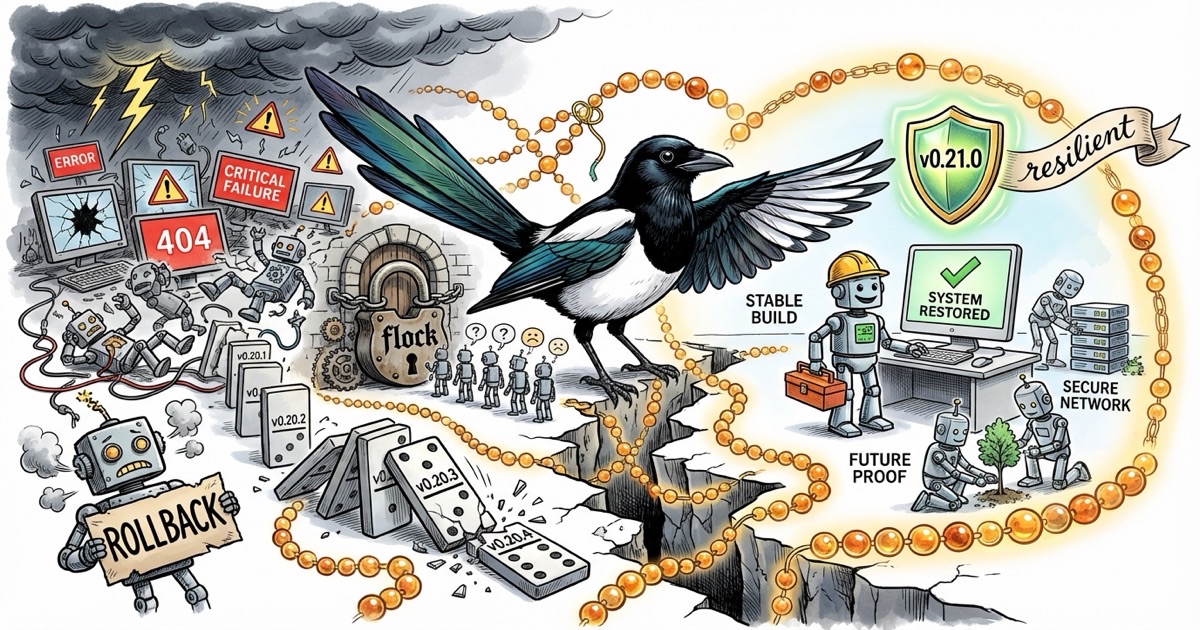
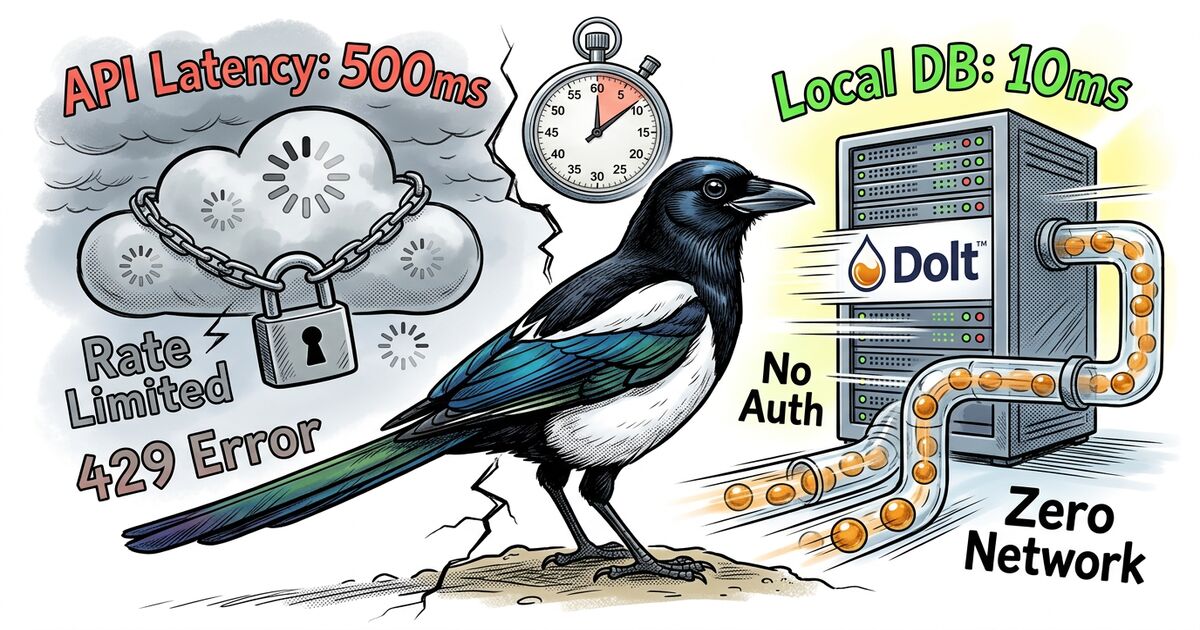
beads v1.0.0 introduced embedded Dolt as the default backend. Zero config, no server to manage. Supporting it in Beadbox took a full day of discovery, a public rollback, and a resilience layer we should have built from the start.
Read more→
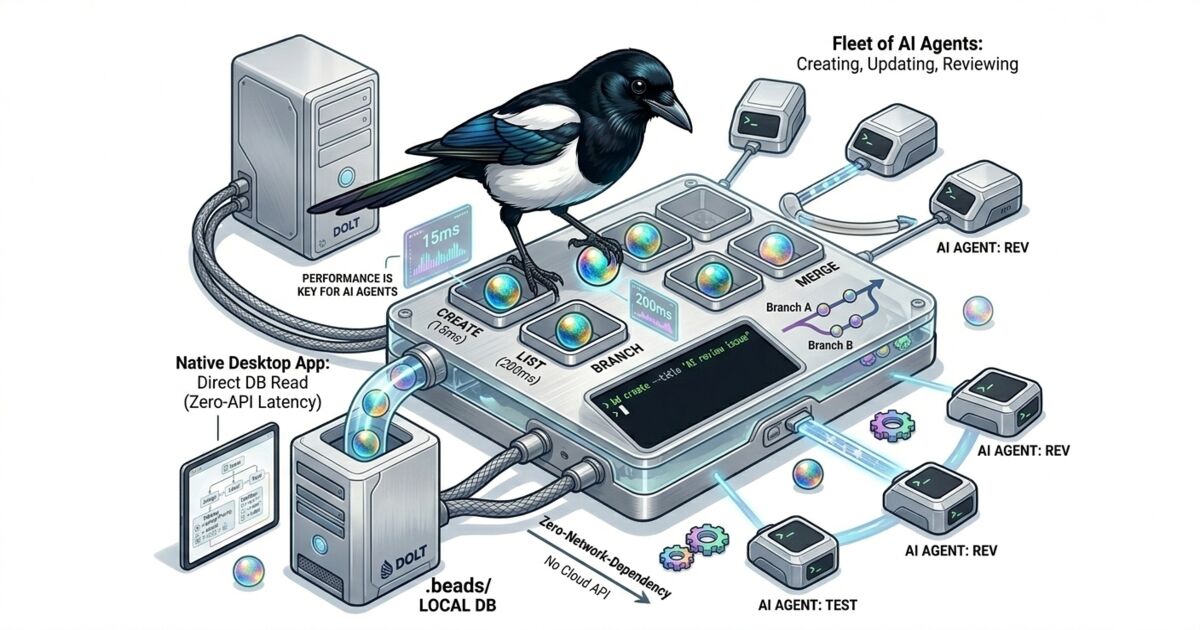
Most issue trackers bolt a CLI onto a cloud service. beads does it backwards: a Git-native CLI backed by Dolt, with Beadbox as the real-time visual layer on top. Here's why that architecture matters for managing AI agent fleets.
Read more→
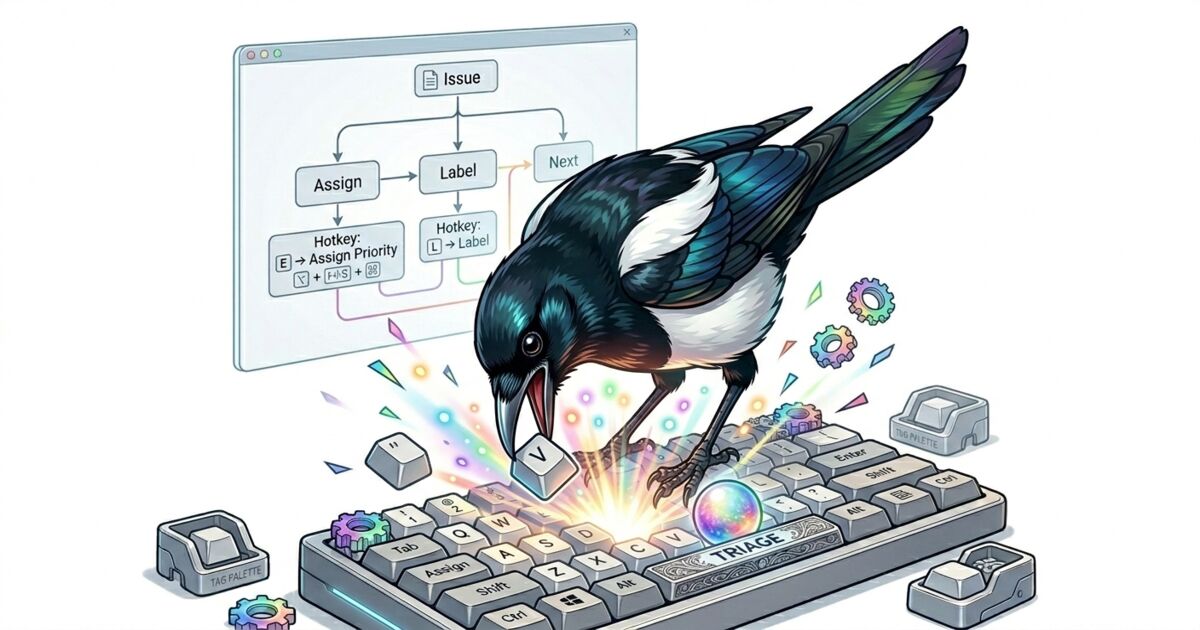
Most project management GUIs assume you want to click. Beadbox assumes you live in a terminal and gives you vim-style navigation, instant workspace switching, and a read-optimized interface that keeps your hands on the keyboard.
Read more→
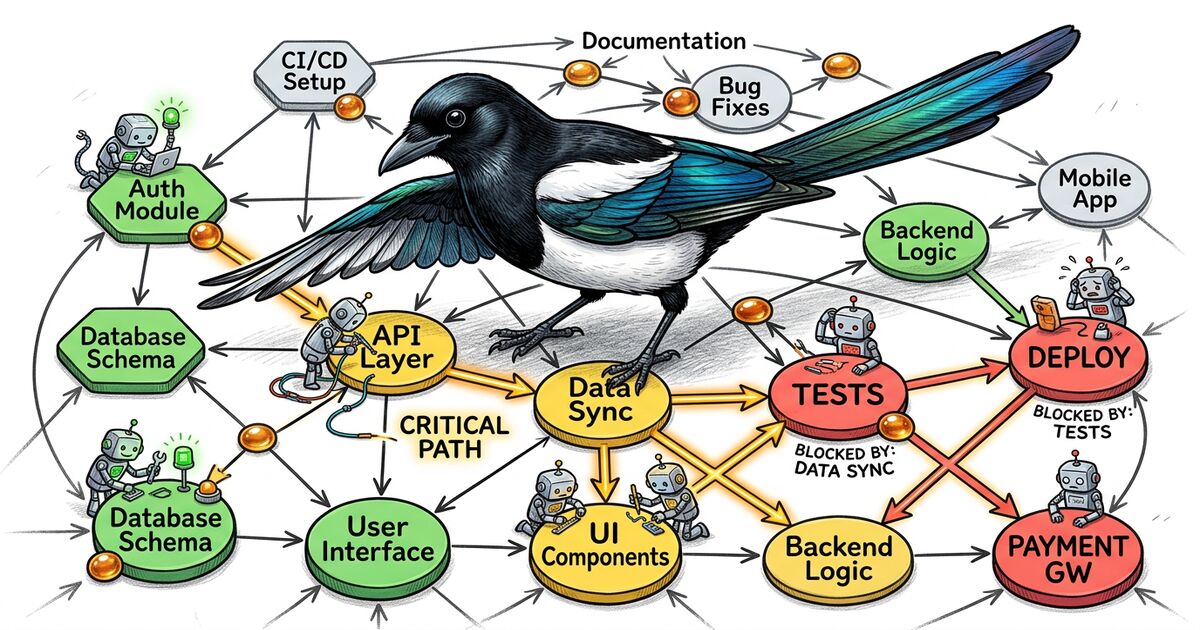
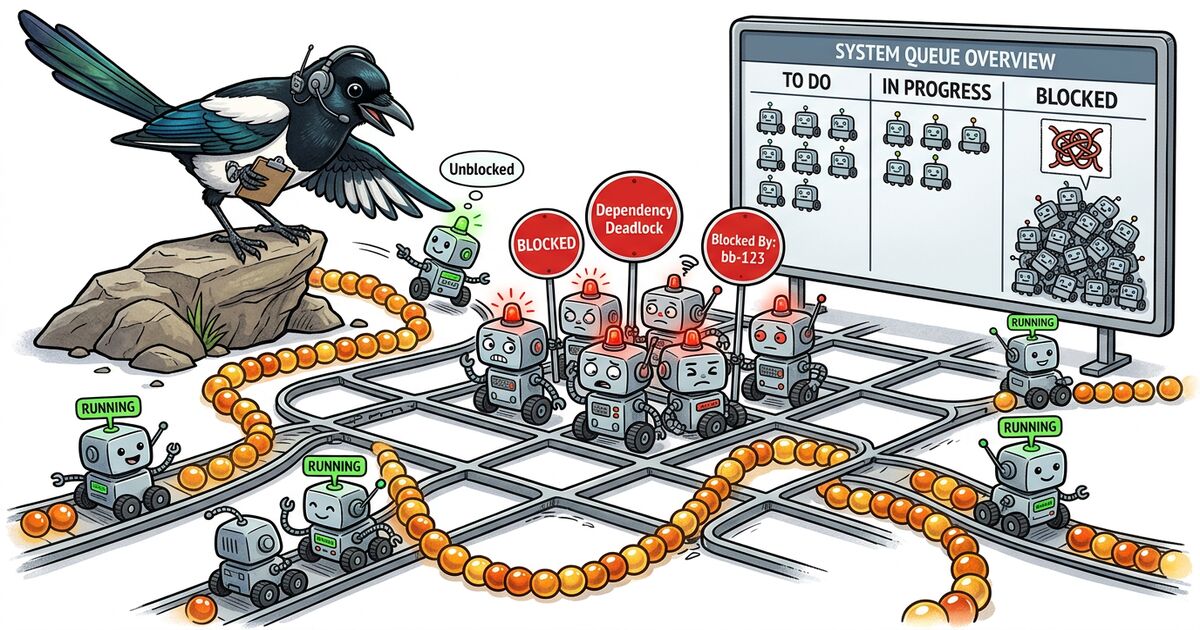
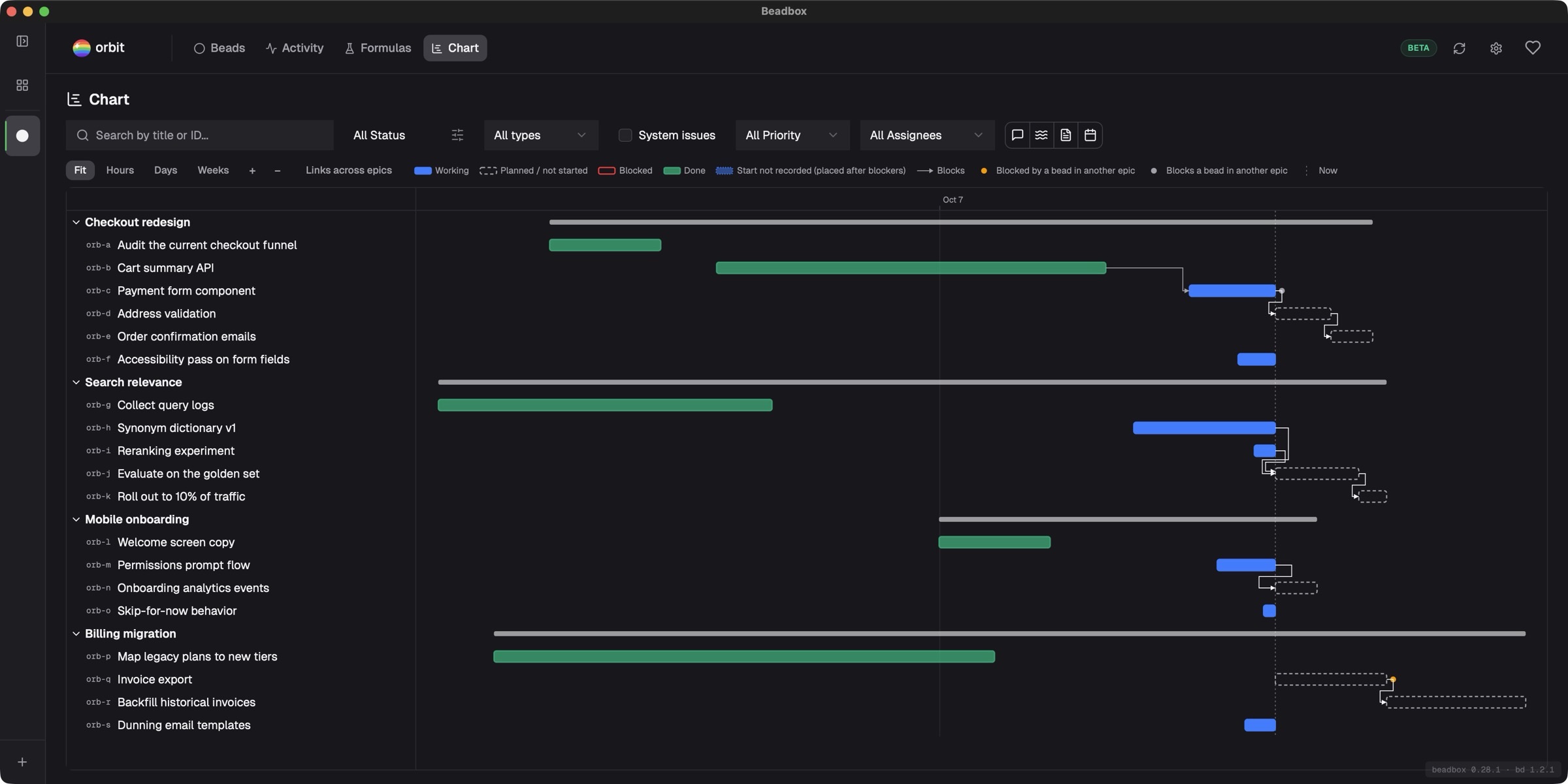
When five autonomous coding agents work one repo, dependency chains become invisible bottlenecks. Here's how to see them before everything stalls.
Read more→
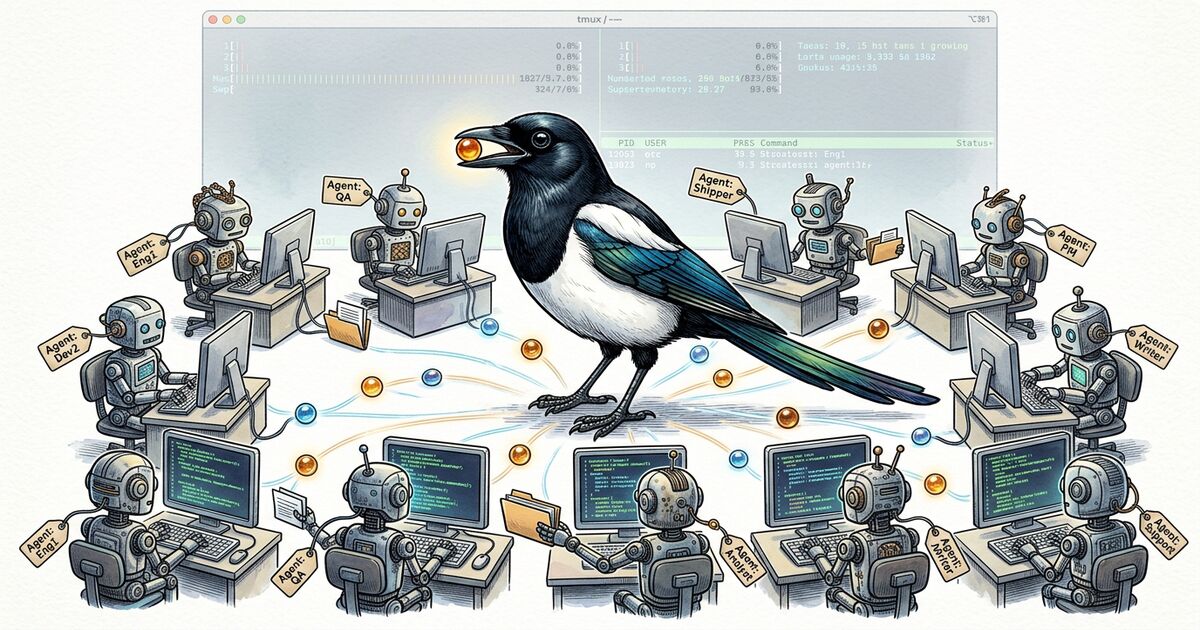
A practical guide to running multiple Claude Code agents in parallel: how to split work, avoid conflicts, coordinate through shared state, and keep track of everything.
Read more→
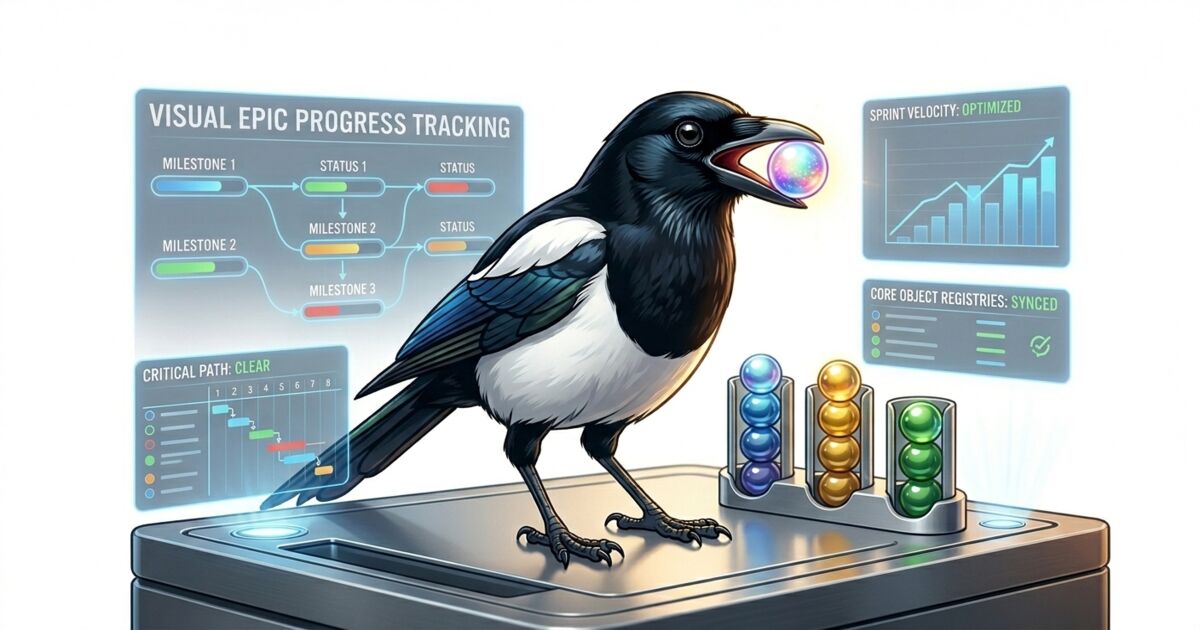
Epics become opaque the moment they grow past five children. Here's how Beadbox turns a dozen bd show commands into a single expandable tree with progress bars, status badges, and real-time updates.
Read more→
Jira, Linear, and GitHub Issues were built for humans doing standups. Agentic engineering workflows need something fundamentally different.
Read more→
Not a demo. Not a benchmark. This is how I ship software every day with 13 specialized Claude Code agents working on one codebase.
Read more→
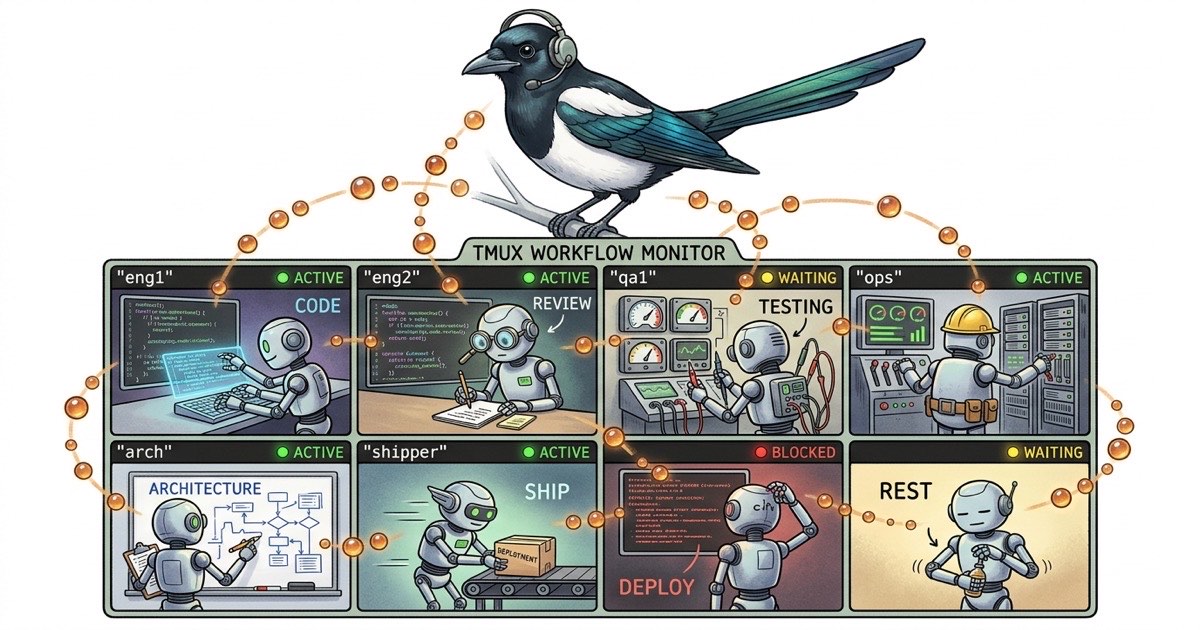
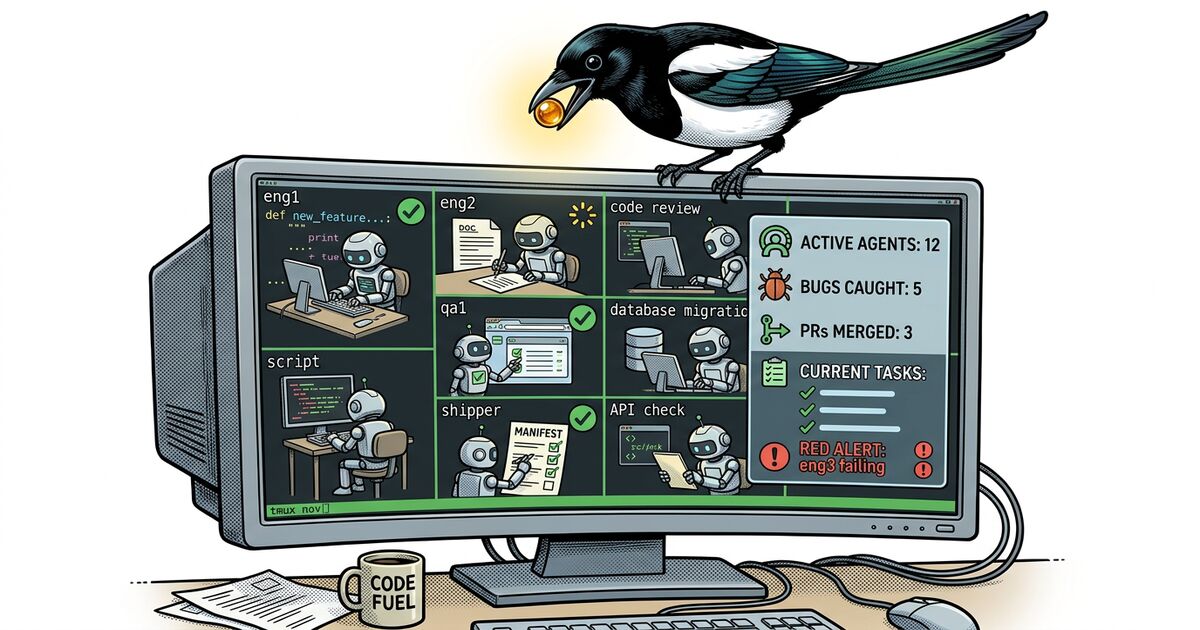
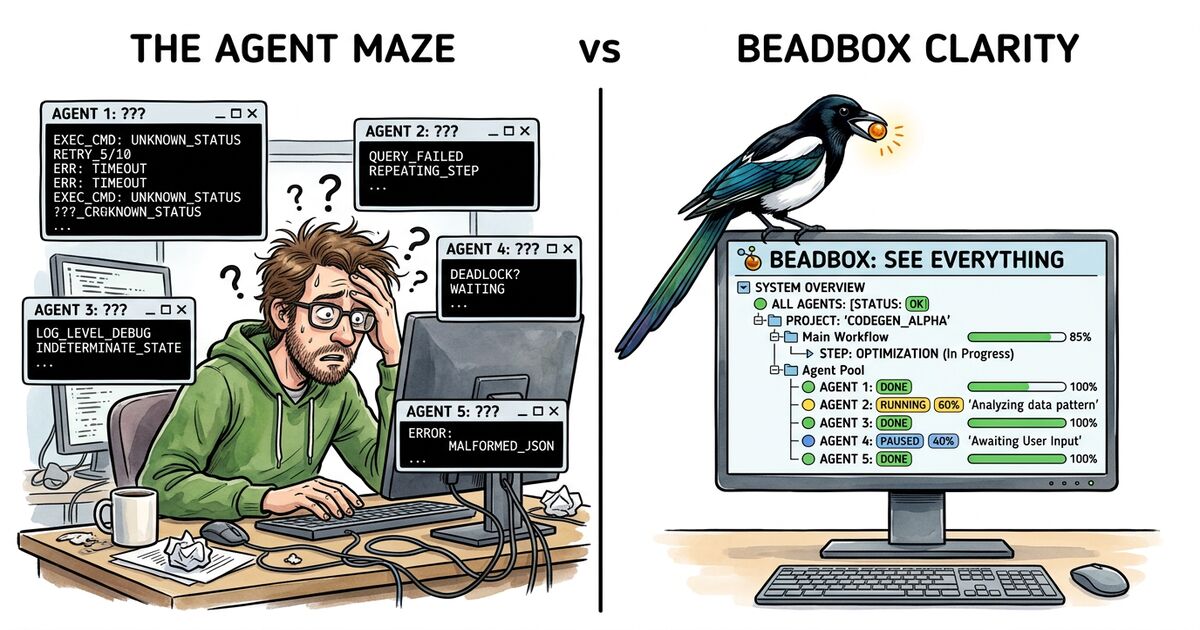
You spun up six Claude Code agents in tmux. They're all typing. You have no idea what any of them are doing. Here's how to fix that with structured issue tracking and a real-time visual dashboard.
Read more→
When 10 AI agents work in parallel, dependency deadlocks are silent. No agent raises its hand. Here's how to detect blocked tasks automatically, triage them with CLI-first workflows, and keep your agentic fleet moving.
Read more→
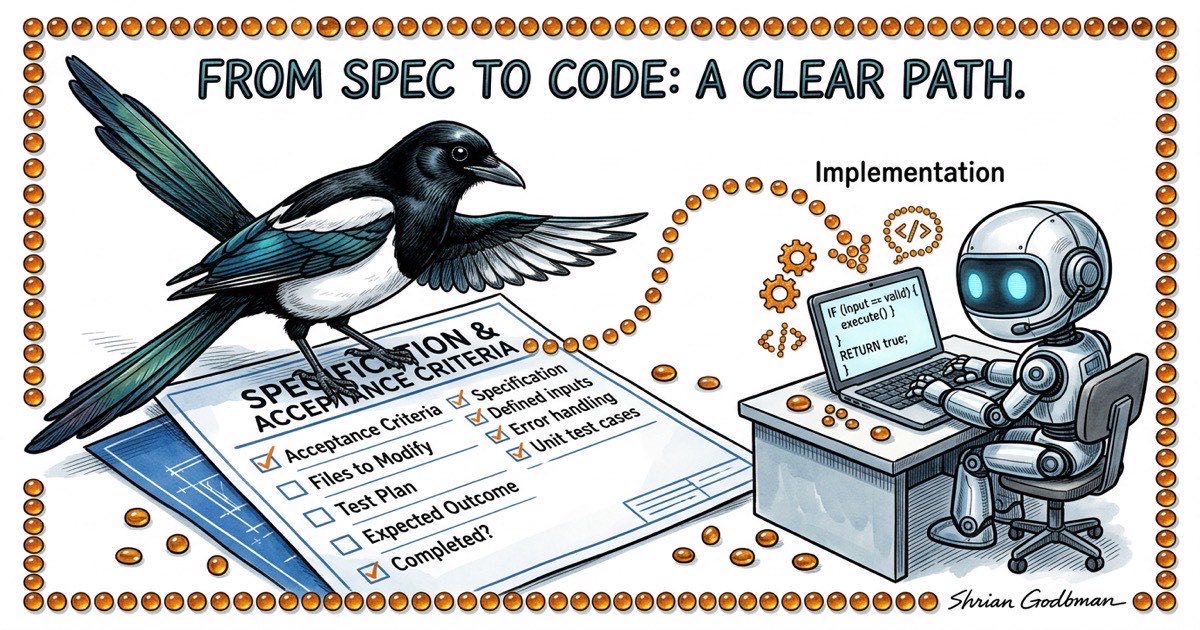
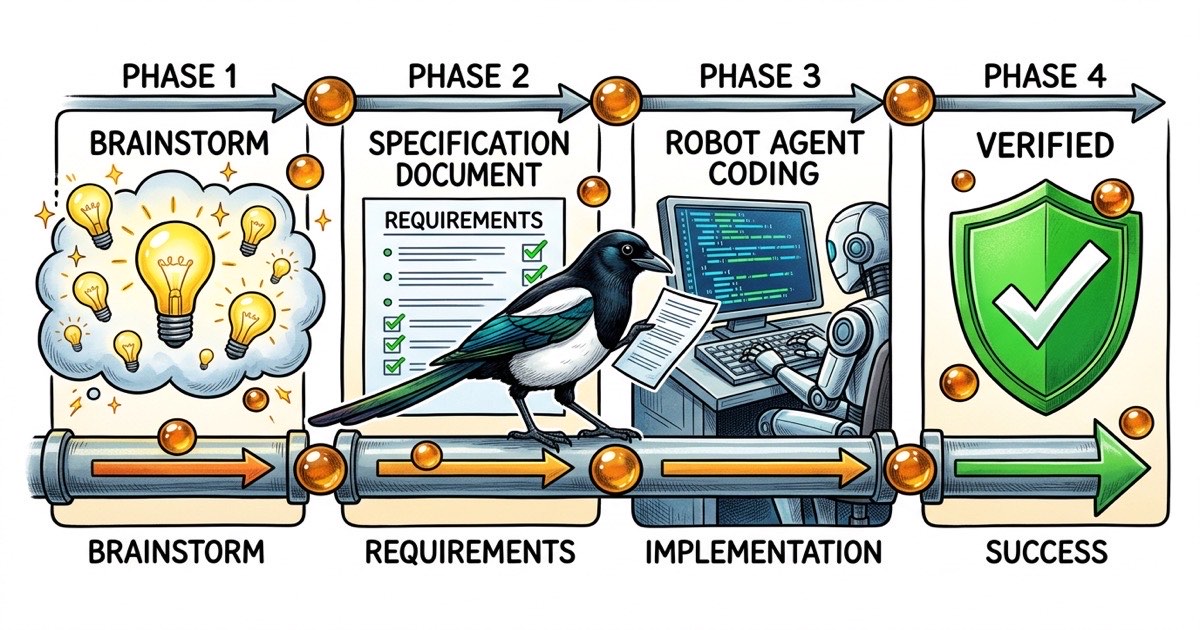
The developers getting the best results from Claude Code aren't writing better prompts. They're writing specs first.
Read more→
Real benchmarks on a 10K-issue dataset, Git-native storage with Dolt, and an honest look at the tradeoffs. A technical comparison for developers who find opinionated workflows restrictive.
Read more→
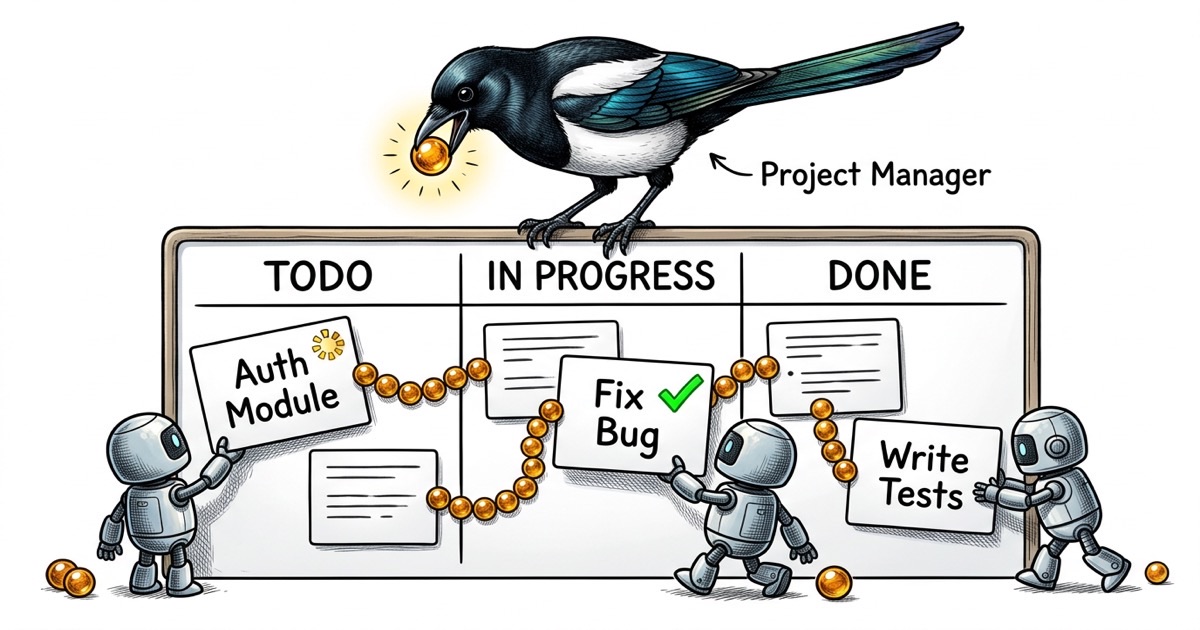
Copy-pasting Jira tickets into Claude Code doesn't scale past one agent. Here's how to structure tasks so your agents can actually coordinate.
Read more→
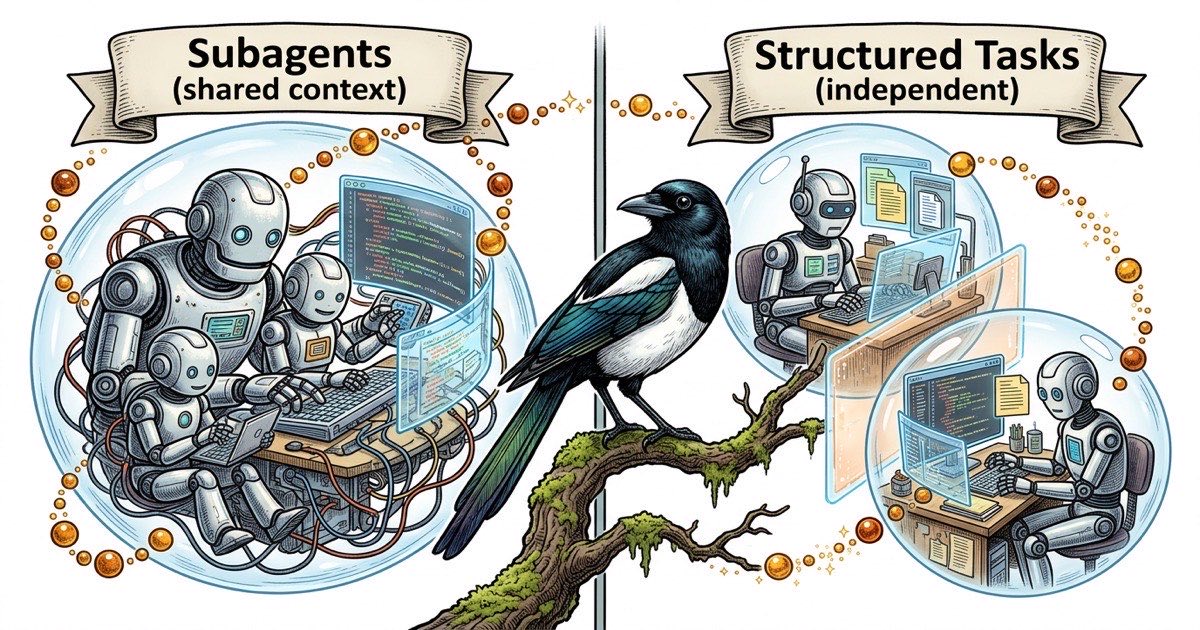
Subagents share a context window; separate agents share nothing. Picking the wrong parallelism model wastes tokens, creates conflicts, and slows you down.
Read more→
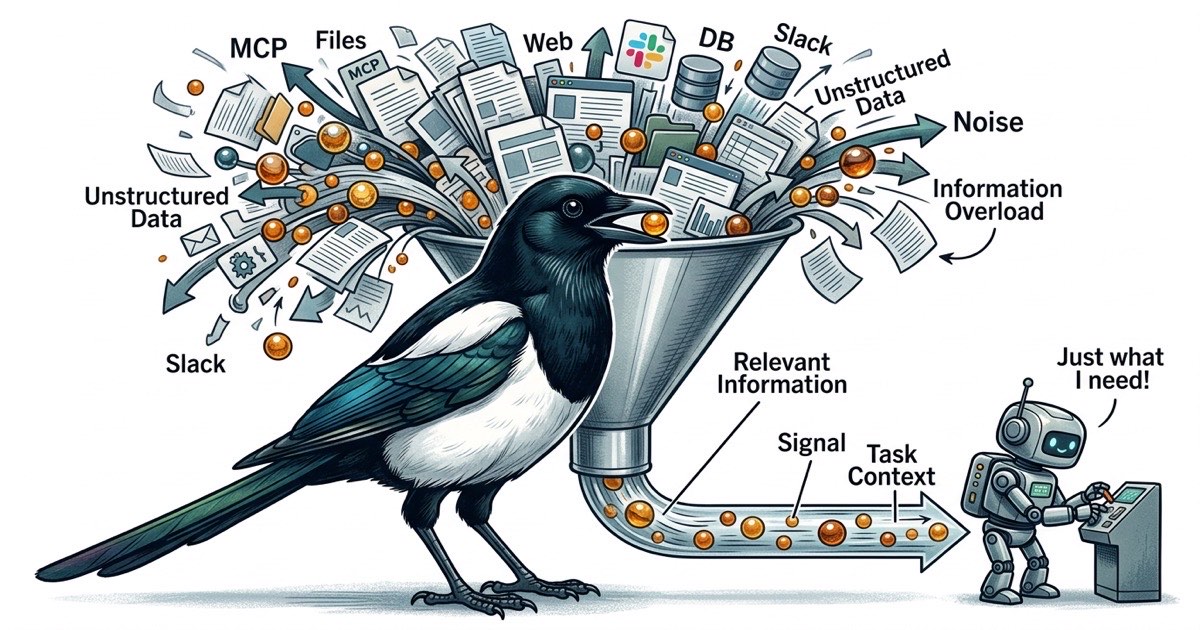
Every MCP you add to Claude Code eats context window and introduces noise. Here's how bounded tasks replace tool sprawl with focused, high-quality agent output.
Read more→
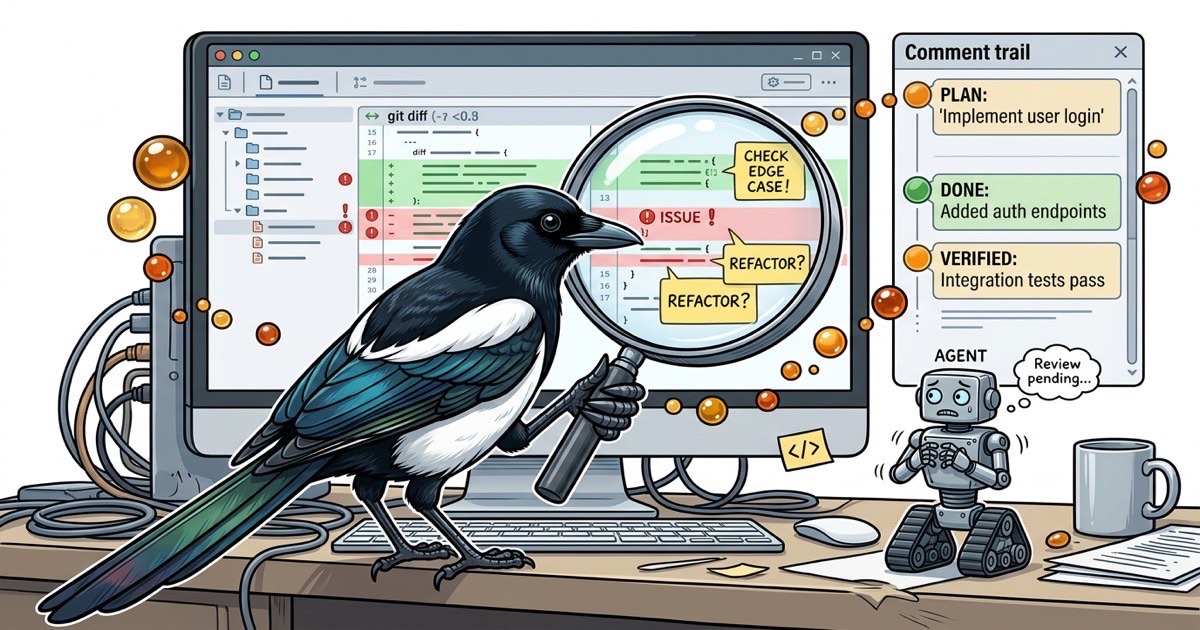
Diffs alone can't tell you why an AI agent made the choices it did. The missing layer is an implementation narrative that makes agent output actually reviewable.
Read more→
Vibe coding works for prototypes. Spec-first is the methodology that makes AI agents ship production software.
Read more→
Introducing the Beadbox blog. Follow along as we build the visual dashboard for agent workflows.
Read more→
You can run 10 AI agents in parallel. You just can't see what any of them are doing. That's the problem we're solving.
Read more→